Host-secreted lactate during respiratory viral infection diminishes macrophage antibacterial activity through metabolic reprogramming

Host-secreted lactate during respiratory viral infection diminishes macrophage antibacterial activity through metabolic reprogramming
Sultana, S.; Walsh, E.; Bomberger, J. M.
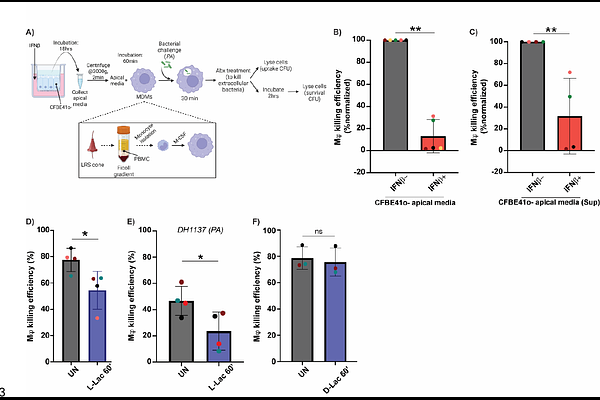
AbstractIn polymicrobial infections, how the host recognizes and responds to pathogens influences which species will persist to cause chronic infections. The human respiratory tract is a common anatomical site for viral-bacterial co-infections, where primary viral infections predispose to secondary bacterial infections, leading to increased morbidity and mortality. Additionally, co-infections are disproportionately prevalent in people with chronic lung diseases, such as chronic obstructive pulmonary disease and cystic fibrosis. We previously reported that primary viral infections and antiviral interferon (IFN) signaling stimulate Pseudomonas aeruginosa (PA) biofilm formation on airway epithelial cells (AECs). IFN signaling induces aerobic glycolysis in AECs and generates lactate as a cellular byproduct. Given that innate immune systems play an integral role in co-infection dynamics, we investigated the role of host-secreted metabolites (i.e. lactate) on innate immune cell activity during respiratory co-infections. We found that exposure to the apical secretions from IFN{beta}-treated AECs significantly compromised macrophage antibacterial activity, with the soluble metabolite lactate playing an important role. Macrophages used monocarboxylate transporters and G-protein receptors to transport and/or sense lactate, respectively, and this exposure to lactate diminished their bacterial-killing activity in a time-exposure dependent manner. Lactate exposure particularly reprogrammed macrophage cellular metabolism towards an anti-inflammatory state by increasing oxidative phosphorylation and fatty acid oxidation. Collectively, these findings provide insight into metabolites as complex regulators of trans-kingdom interactions and epithelial-macrophage crosstalk during respiratory co-infections.