Gut Virome Diversity and Health Status in Rescued Pangolins: Metaviromics Reveals Parvovirus as a Key Virus Associated with Disease

Gut Virome Diversity and Health Status in Rescued Pangolins: Metaviromics Reveals Parvovirus as a Key Virus Associated with Disease
Jiao, W.; Zeng, Z. L.; Hu, X.; Deng, J.; Chen, J.
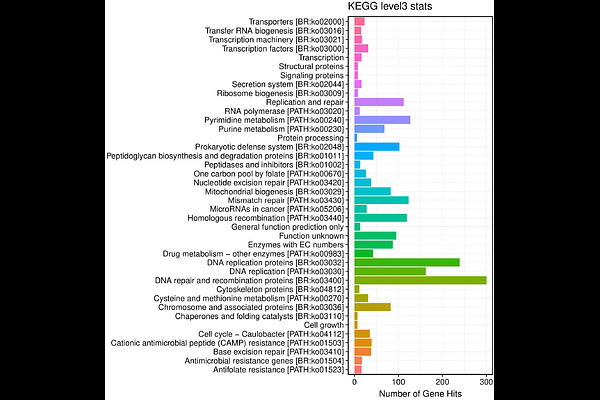
AbstractPangolins are critically endangered mammals that suffer from high rates of gastrointestinal disease during captivity, yet the role of the gut virome in their health remains unexplored. This study presents the first comprehensive characterization of the gut DNA virome in Malayan (Manis javanica) and Chinese (M. pentadactyla) pangolins across different health states. Metaviromic sequencing of 16 fecal samples from healthy, diarrheal, pneumonic, free-ranging, and deceased pangolins generated 7.2-11.8 Gb clean data per sample. Diseased and deceased individuals exhibited a significant reduction in phage proportion (94.5% vs. 53.3%, P = 0.02), accompanied by a dramatic increase in eukaryotic viruses. Iridoviridae (38%) and Polydnaviridae (34%) dominated in deceased Chinese pangolins. SIMPER analysis identified Parvoviridae as the primary contributor to virome dissimilarity between healthy and diseased Malayan pangolins, whereas Iridoviridae and Polydnaviridae were the key contributors for Chinese pangolins. KEGG functional annotation revealed that genes related to DNA replication, repair, and recombination were the most abundant, suggesting frequent genomic recombination within the pangolin gut virome. The gut virome of pangolins is closely associated with health status. Disease induces a shift from a phage-dominated to a eukaryotic virus-dominated virome, with Parvoviridae and Iridoviridae emerging as candidate pathogenic viruses in Malayan and Chinese pangolins, respectively. These findings provide molecular evidence for virome monitoring in pangolin conservation and highlight the need for targeted surveillance of parvoviruses in rescue centers.