Glutathione impacts both Batrachochytrium dendrobatidis virulence and amphibian cellular defence in a chytridiomycosis model

Glutathione impacts both Batrachochytrium dendrobatidis virulence and amphibian cellular defence in a chytridiomycosis model
Webb, R. J.; Roberts, A. A.; Berger, L.; Robert, J.; Skerratt, L. F.
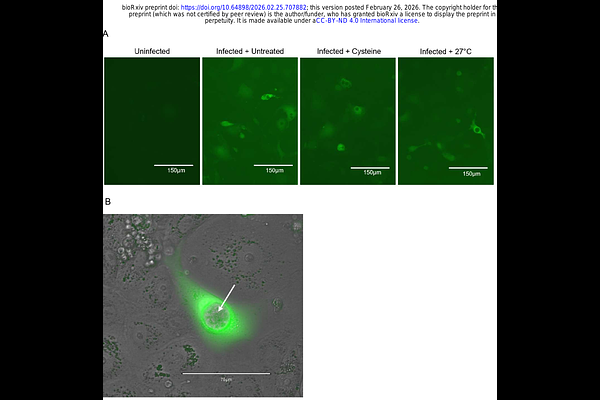
AbstractGlutathione has important roles in diverse infections, yet its involvement in the interaction between the deadly fungal pathogen Batrachochytrium dendrobatidis (Bd) and its amphibian hosts is still unclear. Using in vitro assays and a cell infection model, we examined how glutathione influences Bd virulence traits and cellular host disease resistance. For Bd, inhibition of glutathione reductase rapidly killed zoospores, indicating that glutathione is essential for this pathogen. In addition, exposure to exogenous glutathione promoted the potential for virulence through accelerated and increased zoospore release. In host amphibian cells, Bd infection decreased intracellular glutathione content and increased reactive oxygen species, suggesting that chytridiomycosis pathogenesis may involve oxidative stress. Depletion of host glutathione before exposure to Bd increased infection severity and Bd growth, whereas amphibian cells with slightly elevated glutathione levels were partially protected against Bd. However, manipulation of host glutathione levels after the establishment of Bd infection did not impact its intracellular growth, implying that the host glutathione-mediated resistance only occurs during the initial Bd invasion process. Importantly, this effect of glutathione on host resistance is not a general response to pathogens, as it was not observed in cells exposed to viral pathogen FV3. As glutathione increased both infectious zoospore production and host resistance to zoospore infection, our study suggests that this antioxidant may play an important role in the host/pathogen interaction during chytridiomycosis. Thus, environmental conditions and therapeutic approaches that affect glutathione systems in the host and/or pathogen have the potential to alter chytridiomycosis dynamics and should be further explored.