T6SS mutants exploit itaconate to support infection of phagocytes

T6SS mutants exploit itaconate to support infection of phagocytes
Prince, A. S.; Beg, A. Z.; Fields, B. L.; Chen, Y. T.; Wong Fok Lung, T.; Gowdy, G.; Talat, A.; Khan, A. U.; Shah, S. S.; Lewis, I.; Riquelme, S.
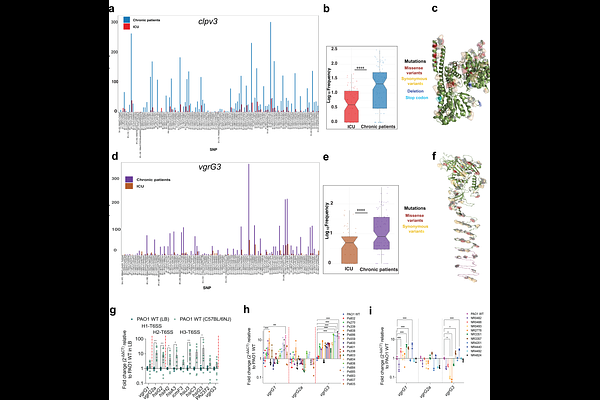
AbstractPseudomonas aeruginosa is a major cause of persistent pneumonias that are not readily cleared by seemingly appropriate antimicrobial therapy. We identified a reservoir of P. aeruginosa variants lacking expression of the H3-T6SS in patients with chronic but not acute pneumonia. A PAO1 DH3-T6 mutant caused increased infection in the murine lung as compared to the wild-type strain. The DH3 mutants exhibited increased transcription of genes involved in phagocytic uptake and respiration under conditions found in the phagolysosome, namely low O2, low pH and abundant itaconate. We confirmed increased intraphagocytic residence of the DH3 mutants and colocalization with LAMP1 within the phagolysosome of both bone marrow derived macrophages in vitro and in alveolar macrophages harvested directly from infected lungs. Persistence within macrophages required itaconate which preserved the viability of infected macrophages and boosted bacterial bioenergetics to optimize consumption of available carbon sources. Our findings demonstrate that selection for loss of H3-T6SS loss of function mutations promotes the metabolic versatility that enables P. aeruginosa to cause intractable pulmonary infection.