AAV-mediated delivery of leptin but not adiponectin improves metabolic health in a mouse model of congenital generalised lipodystrophy

AAV-mediated delivery of leptin but not adiponectin improves metabolic health in a mouse model of congenital generalised lipodystrophy
Sommer, N.; Roumane, A.; Tiwari, M.; Han, W.; Heisler, L. K.; Mcilroy, G. D.; Rochford, J. J.
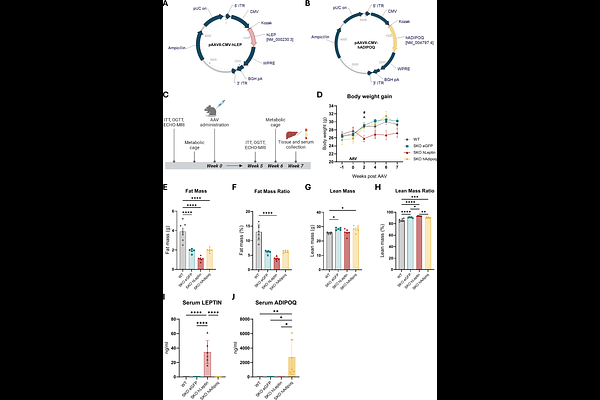
AbstractLipodystrophies are a group of disorders featuring reduced adipose tissue mass or function, which often leads to significant metabolic disease, reduced lifespan and impaired quality of life. Individuals with congenital generalised lipodystrophy (CGL) have severely reduced adipose tissue mass. The loss of healthy systemic lipid storage typically causes hepatic steatosis and lipoatrophic diabetes. In addition, adipocyte-secreted hormones including leptin and adiponectin are dramatically reduced. Leptin has critical roles regulating appetite and broader effects on lipid and glucose metabolism. Daily injection with recombinant leptin is currently the only specific, approved treatment for CGL. The consequences of adiponectin loss in these patients are not fully understood. Likewise, the potential therapeutic benefit of adiponectin delivery is unclear. Here we examine the effect of delivering leptin or adiponectin by adeno-associated virus (AAV) as potential gene therapy treatment for metabolic disease in CGL using a well-characterised murine model of the condition. AAV mediated leptin delivery significantly improved hepatic steatosis and hyperinsulinemia. However, adiponectin delivery did not lead to any observed beneficial effects. This demonstrates the potential of gene therapy approaches for long-term delivery of leptin in individuals with lipodystrophy, without the need for continuous supply of perishable therapeutics and painful daily injections.