A comprehensive computational analysis investigating the relationships between phage codon usage, infection style, and number of tRNA genes

A comprehensive computational analysis investigating the relationships between phage codon usage, infection style, and number of tRNA genes
Ross, N. D.; Doore, S. M.
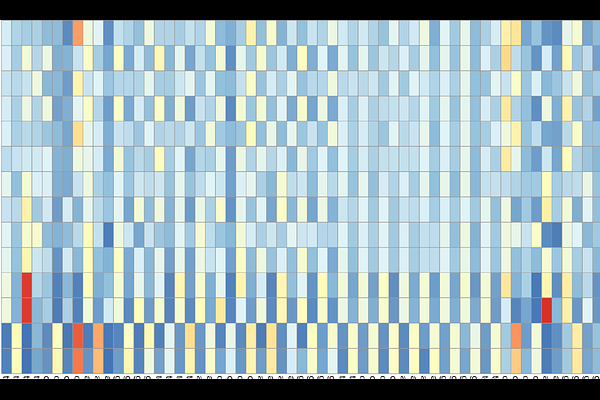
AbstractIt has been known for decades that bacteriophages encode tRNA genes, but their function and the factors contributing to their acquisition and retention are unclear. Although tRNAs are found in a variety of phages infecting a variety of bacteria, many large-scale computational studies investigating tRNA acquisition and retention in phages are specific to Mycobacterium phages; however, these findings may not be representative of other phages or bacteria. This work uses a broader sampling of phages and hosts to investigate the relationships between codon usage bias, infection cycle, and tRNA gene numbers in phage genomes. We analyzed 154 phages infecting 7 host genera, including Gram-negative (Escherichia, Shigella, Salmonella) and Gram-positive (Bacillus, Lactobacillus, Staphylococcus, Mycobacterium) bacteria. Phages included temperate and virulent representatives, plus a range of tRNA numbers and morphologies. All phages and hosts were analyzed using four metrics: GC content, Effective Number of Codons, Relative Synonymous Codon Usage, and tRNA Adaptation Index. On a global scale, virulent phages with many tRNA genes show greater differences in codon usage and codon adaptation compared to their respective hosts. Gram-negative bacteria and their phages generally exhibit greater differences in codon usage compared to Gram-positive bacteria and their phages. Phages infecting Gram-negative hosts also tend to encode more tRNA genes. In nearly all genus-level comparisons, Mycobacterium phages were different from any other host and from global patterns. This suggests previous computational studies performed in Mycobacterium phages are likely not applicable on a global scale or to phages infecting other host genera.