Integrated epidemiological and genomic analysis of some respiratory Bovine Coronavirus isolates reveals circulation of GIIb strains and ongoing viral evolution in U.S. Cattle (2020-2025)

Integrated epidemiological and genomic analysis of some respiratory Bovine Coronavirus isolates reveals circulation of GIIb strains and ongoing viral evolution in U.S. Cattle (2020-2025)
Shah, A. U.; Varga, C.; Guger, P.; Hemida, M. G.
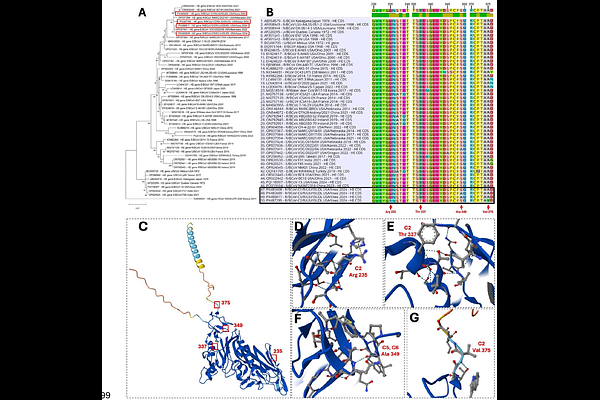
AbstractBovine coronavirus (BCoV) is an important contributor to the respiratory disease complex in cattle; however, integrated genomic and epidemiological data describing currently circulating respiratory BCoV strains in the United States remain limited. The objective of this study was to monitor respiratory BCoV at the genomic level and analyze its epidemiological patterns over a five-year period. A total of 4,505 respiratory samples submitted to a diagnostic laboratory between January 2020 and November 2025 were analyzed, of which 693 (15.38%) tested positive for BCoV. Positivity was highest in young calves (0-40 days; 20.0%) and declined significantly with increasing age based on logistic regression analysis. Temporal trend analysis using LOESS smoothing and the Mann-Kendall test showed no significant monotonic change in BCoV detection during the study period. Co-infection analysis indicated that BCoV was commonly detected with other viral respiratory pathogens, while bacterial pathogens predominated in many samples. Lung tissues from infected cattle were screened by RT-PCR, and selected samples with high viral loads were subjected to next-generation sequencing. Complete genome sequencing identified four respiratory BCoV isolates (~31 kb), all clustering within genotype GIIb with recent U.S. strains. Comparative genomic analysis revealed several amino acid substitutions in structural and non-structural proteins that may influence viral attachment, replication, and tissue tropism. These findings provide updated epidemiological and genomic insights into respiratory BCoV circulating in U.S. cattle.