A Kidney Stone Associated CLDN4 Variant Impairs Tight Junction Stability and Paracellular Ion Permeability

A Kidney Stone Associated CLDN4 Variant Impairs Tight Junction Stability and Paracellular Ion Permeability
Chelangarimiyandoab, F.; Kumar, M. R.; McNaughton, K.; Essuman, G.; Fuster, D. G.; Alexander, T. R.; Cordat, E.
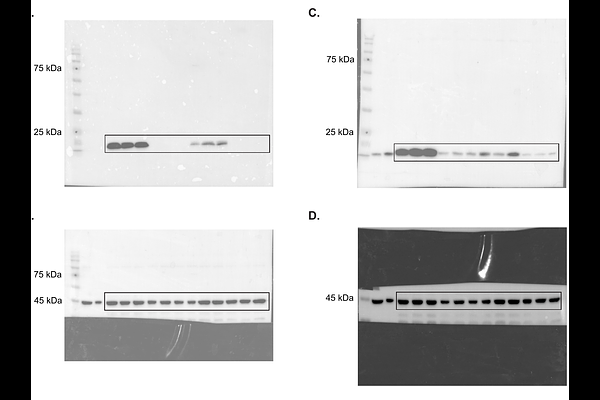
AbstractClaudin-4 (CLDN4) is a key determinant of paracellular ion transport in the distal nephron, where it contributes to chloride permeability and transepithelial resistance. Although CLDN4 knockout mice exhibit hypercalciuria, the epithelial mechanism linking CLDN4 to calcium permeability and kidney stone disease remains unclear. We examined the molecular and functional effects of a kidney stone associated CLDN4 variant P74L which was identified in two unrelated individuals with nephrolithiasis from the Bern Kidney Stone Registry. Using doxycycline-inducible epithelial cell models expressing human wild-type (WT) or mutant CLDN4, we show that the P74L variant displayed reduced protein stability, impaired junctional incorporation, and decreased surface expression. In contrast to WT CLDN4, whose overexpression increased transepithelial electrical resistance and restricted paracellular sodium, chloride, and calcium permeability, P74L CLDN4 failed to confer these effects. Expression of P74L CLDN4 was associated with reduced CLDN3 and CLDN7 messenger abundance without significant changes in CLDN8 or transcriptional regulation of other distal calcium (and other ion) transport genes. Together, these findings identify CLDN4 P74L as a loss-of-function variant that increases epithelial calcium permeability, possibly leading to increased calcium back-flux in the distal nephron relevant to nephrolithiasis.