Non-retroviral Endogenous Viral Element Acts as a Stable Antiviral Regulator Across Mosquito Life Stages and Generations

Non-retroviral Endogenous Viral Element Acts as a Stable Antiviral Regulator Across Mosquito Life Stages and Generations
Suzuki, Y.; Baidaliuk, A.; Sekii, Y.; Asin, I. C. A.; Miesen, P.; Prot, M.; Lambrechts, L.; Simon-Loriere, E.; Watanabe, K.
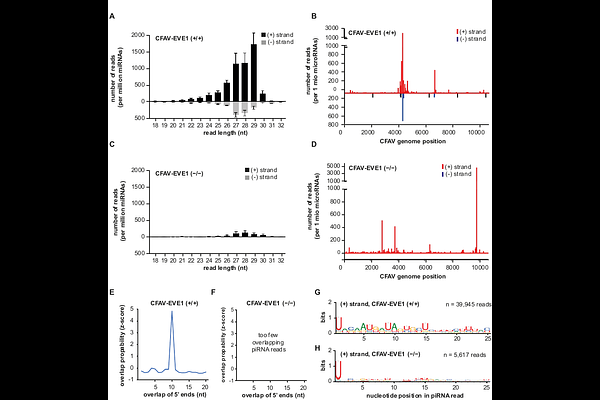
AbstractEndogenous viral elements (EVEs) from non-retroviral RNA viruses are widespread in host genomes, yet their functional significance in vivo remains poorly understood. In mosquitoes, EVEs have been shown to suppress cognate viral replication through the PIWI-interacting RNA (piRNA) pathway. However, how this antiviral activity shapes virus-host dynamics beyond reducing viral replication remains unclear. Here, we established Aedes aegypti mosquito lines naturally infected with cell-fusing agent virus (CFAV) that differ in the presence or absence of a CFAV-derived EVE (CFAV-EVE1). Using this natural virus-host system, we showed that CFAV-EVE1 suppressed viral replication across sexes, tissues, developmental stages, and generations. This antiviral effect is initiated by EVE-derived primary piRNAs, as demonstrated in ovaries and heads. Despite reducing viral load, CFAV-EVE1 conferred no measurable benefits on mosquito survival or reproduction, nor did it eliminate CFAV from the naturally infected population under standard laboratory conditions. However, vertical transmission rates were reduced in EVE-containing mosquitoes and prolonged egg storage further reduced viral prevalence, suggesting that environmental stress may reveal EVE-mediated viral suppression. Together, these findings demonstrate that EVEs function as stable, heritable regulators of persistent virus-host interactions and highlight that ecological context may be critical for fully appreciating their functional significance.