Dominant α-tubulin mutations rescue tauopathy neurodegenerative phenotypes in C. elegans

Dominant α-tubulin mutations rescue tauopathy neurodegenerative phenotypes in C. elegans
Benbow, S.; Saxton, A. D.; Baum, M.; Uhrich, R. L.; Stair, J. G.; Keene, K.; Dahleen, C.; Wordeman, L.; Liachko, N.; Kow, R. L.; C. Kraemer, B.
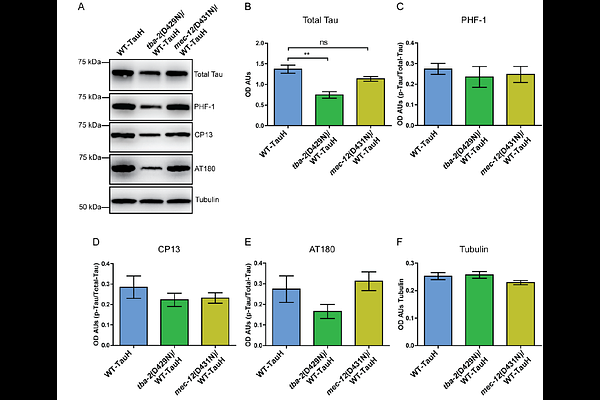
AbstractTau protein, the primary component in neurofibrillary tangles characteristic of Alzheimers Disease and related dementia disorders, normally regulates microtubule growth and stability. While tau dysfunction contributes to the progression of tauopathies, the role of microtubules in disease has remained unclear. Through forward genetic screening in Caenorhabditis elegans tauopathy models, we found multiple tubulin gene mutations that rescue tau-mediated neurodegeneration. Whole animal behavioral and in vitro biochemical assays were employed to characterize mutation-driven effects on neuron function, neurodegeneration, and effects on tubulin and tau proteins as well as microtubule function. Mutant tubulin genes were found to confer different levels of suppression correlating with the level of mutant gene expression. Mutant tubulins did not drastically alter total tau protein levels, tau phosphorylation or aggregation, however tau-induced neurodegeneration was rescued. The suppression of tau toxicity by tubulin gene mutations cannot be explained by changes in tau or tubulin expression, tau phosphorylation, or tau aggregation state. Rather the tubulin mutations appear to act by influencing global microtubule properties. In vitro experiments using C. elegans tubulin in semi-isolated and isolated contexts have indicated changes to microtubule properties without observable changes to tau-tubulin affinity. This work suggests that manipulation of microtubules can rescue tauopathy even when pathological tau species persist, supporting the importance of understanding microtubule contributions to disease progression and investigation into microtubule targeted gene therapy or small molecule approaches for tauopathy intervention.