Analysis of genes co-evolved with Igf2bp RNA-Binding Proteins provides insights into post-transcriptional regulatory networks

Analysis of genes co-evolved with Igf2bp RNA-Binding Proteins provides insights into post-transcriptional regulatory networks
Yisraeli, J. K.; Izraely, S.; Tabach, Y.
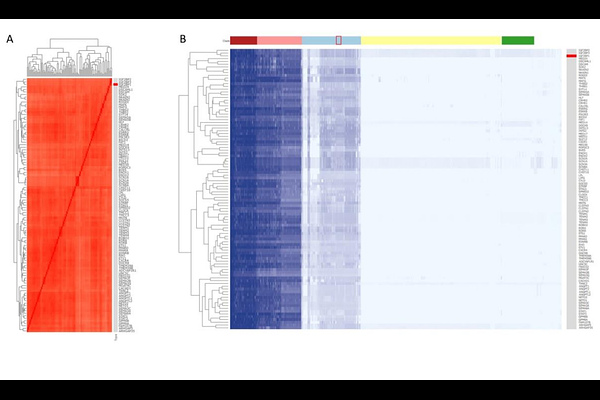
AbstractThe Insulin-like growth factor 2 mRNA-binding protein (Igf2bp) family comprises three paralogous RNA-binding proteins - Igf2bp1, Igf2bp2, and Igf2bp3 - that are highly conserved across chordates. Originally identified through diverse experimental screens probing intracellular RNA localization, RNA stability, and translational control, Igf2bps were initially studied in isolation from one another and within narrowly defined molecular contexts. Over time, it has become clear that these proteins act as multifunctional regulators of RNA metabolism and participate in a broad range of developmental and pathological processes. Here, we review the discovery, molecular functions, and biological roles of Igf2bp proteins, with particular emphasis on their conserved involvement in nervous system development and their reactivation in cancer. Given the emerging appreciation of the connection between genes involved in neural development and tumorigenesis, we thought it might be informative to perform a comparative evolutionary analysis to identify genes that coevolved with Igf2bp paralogs. These coevolved genes are strongly enriched for functions in axon guidance and neurogenesis, but also substantially overlap with experimentally defined Igf2bp1 RNA targets in lung adenocarcinoma (LUAD) cells. Notably, many of these genes are downregulated upon pharmacological inhibition of Igf2bp1 RNA binding. In this speculative review, we propose a model in which Igf2bp proteins evolved as coordinators of post-transcriptional gene regulation in the developing nervous system and were later co-opted in cancer to stabilize and coordinate oncogenic gene expression programs.