TRIM9 switches the morphological phenotype of melanoma cells

TRIM9 switches the morphological phenotype of melanoma cells
Lukasik, K.; Shah, A. B.; Ho, C. T.; Li, M.; Patrick, G. B.; Brooks, J.; Rothenfusser, S.; Bear, J.; Gupton, S. L.
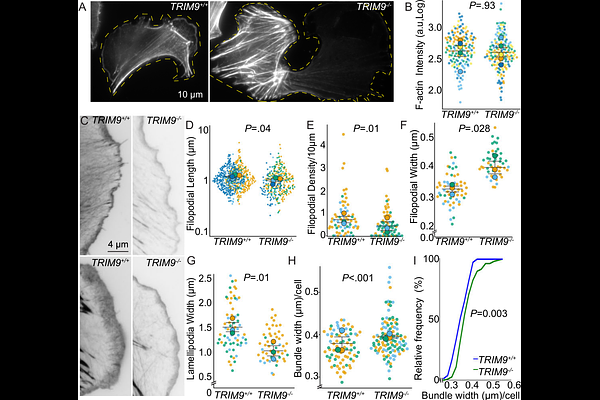
AbstractMelanoma is a highly plastic cancer characterized by distinct cellular phenotypes associated with broadly unique gene expression profiles. TRIM9 is a brain-enriched E3 ubiquitin ligase detected in melanoma, but how TRIM9 expression regulates melanoma phenotype is unknown. Using two metastatic human melanoma cell lines and a mouse melanoma model, we found that TRIM9 promoted melanoma proliferation and altered cell morphology. In cell lines, TRIM9 promoted cellular blebbing and negatively regulated adhesion, secretion, and mesenchymal motility. TRIM9 interacted with VASP in melanoma cells, altering VASP modification, localization, and dynamics. In the absence of TRIM9, cells had an altered actin organization and more focal adhesions, where VASP accumulated and exhibited rapid turnover. We find the alterations in actin architecture and adhesion associated with TRIM9 deletion were coincident with increased motile and contractile mesenchymal behavior in vitro. In vivo loss of TRIM9 in melanoma slowed tumor growth and altered metastasis frequency, size, and destination. Our findings indicate TRIM9 alters the proliferative and morphological phenotypes of metastatic melanoma cells to influence disease progression.