Cardiomyocytes possess an intrinsic catecholaminergic machinery that regulates cellular homeostasis and electrophysiological stability

Cardiomyocytes possess an intrinsic catecholaminergic machinery that regulates cellular homeostasis and electrophysiological stability
Krexi, D.; Linardi, D.; Redwood, C.
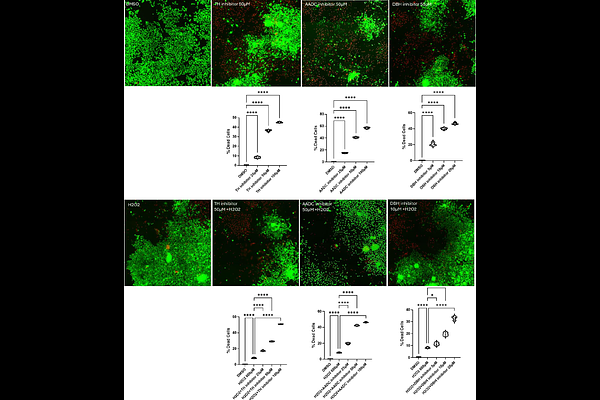
AbstractBackgroundCatecholamines play a central role in cardiac performance, coordinating myocardial contractility, conduction, metabolism, and electrophysiological stability. In the heart, their actions have been attributed primarily to sympathetic nerve terminals and circulating adrenal catecholamines. The discovery of an intrinsic non-neuronal cholinergic system within cardiomyocytes challenges this neurocentric paradigm and raises the possibility that cardiomyocytes also possess an intrinsic catecholaminergic programme. Here, we investigated whether cardiomyocytes possess an intrinsic catecholaminergic programme and its contribution to cardiomyocyte homeostasis and stress responses. MethodsWe investigated catecholamine biosynthesis and handling in human induced pluripotent stem cell-derived cardiomyocytes, adult mouse cardiomyocytes, H9C2 cells, rat ventricular tissue, and Langendorff-perfused mouse hearts. Protein expression of catecholamine biosynthetic enzymes and vesicular monoamine transporters was assessed by immunoblotting and immunohistochemistry, while vesicular monoamine uptake was evaluated using fluorescent false neurotransmitters. Functional consequences of catecholamine biosynthesis inhibition were examined using pharmacological approaches, assessing cell viability, apoptosis, organelle homeostasis, metabolic signalling, and cardiac electrophysiology. ResultsTyrosine hydroxylase, aromatic L-amino acid decarboxylase, dopamine {beta}-hydroxylase, and vesicular monoamine transporters were detected in cardiomyocytes across models. Expression of catecholamine biosynthetic enzymes increased following ischaemia-reperfusion injury in rat heart tissue (TH p=0.008, AADC p=0.031, DBH p=0.008). Pharmacological inhibition of catecholamine biosynthesis caused dose-dependent reductions in cardiomyocyte viability (p<0.0001), increased apoptosis, organelle stress, and mitochondrial dysfunction, with greater effects under oxidative stress. Mechanistically, catecholamine depletion suppressed mTORC1 signalling and activated LKB1-AMPK-ULK1 pathways. In Langendorff-perfused hearts, tyrosine hydroxylase inhibition induced ventricular arrhythmias in 5 of 6 hearts, including sustained ventricular tachycardia, polymorphic ventricular tachycardia, and ventricular fibrillation. ConclusionsThese findings identify cardiomyocytes as previously unrecognised catecholamine-competent cells expressing intrinsic machinery for catecholamine biosynthesis and vesicular handling. Disruption of this pathway compromises metabolic and organelle homeostasis, activates energy-stress and autophagy-related signalling, and promotes malignant ventricular arrhythmias. Intrinsic cardiomyocyte catecholamine biology therefore represents a non-neuronal regulatory axis essential for myocardial resilience and electrical stability, with potential relevance to ischaemic injury and stress-induced dysfunction.