Transcriptomic analysis reveals SnTox8-mediated reprogramming of wheat defence signalling

Transcriptomic analysis reveals SnTox8-mediated reprogramming of wheat defence signalling
Padukka Vidanalage, A. A.; Gagalova, K. K.; Furuki, E.; Kamphuis, F.; Rybak, K.; Periyannan, S.; Gibberd, M.; Phan, H. T. T.
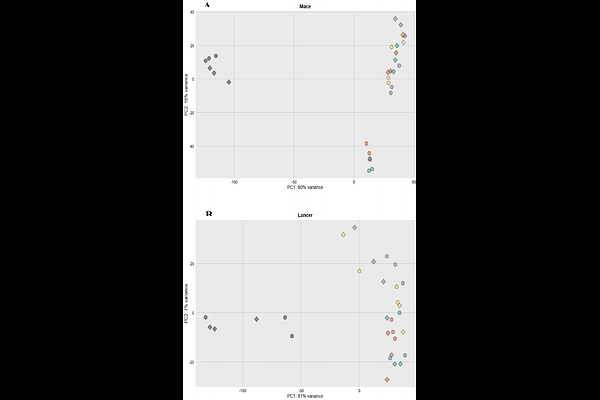
AbstractParastagonospora nodorum (Berk.) Quaedvlieg, Verkley & Crousis, a necrotrophic fungal pathogen, is the causal agent for septoria nodorum blotch, a major constraint on global wheat production. Pathogen-produced necrotrophic effectors (NEs) that interact with host-sensitivity genes in an inverse gene-for-gene manner, collectively leading to effector-triggered susceptibility (ETS). Here, we investigated the transcriptional responses of two Triticum aestivum L. genotypes, Mace and Lancer, following infiltration with a novel NE, SnTox8. A total of 12,679 unique differentially expressed genes in Mace and 149 in Lancer were detected from transcriptomic analysis. In the SnTox8-sensitive cultivar, Mace, numerous defence-related genes were induced, including protein phosphorylation cascades, reactive oxygen species bursts, calcium signalling, phytohormone modulation, and suppression of photosynthesis, consistent with findings from other ETS models, in which necrotrophic fungal pathogens hijack host defence systems to proliferate. The interaction also activated genes involved in signal transduction, metabolism, membrane modification, and molecular transport, reflecting a coordinated host reprogramming that promotes cellular dysfunction and cell death, thereby facilitating necrotrophic pathogenesis. In contrast, Lancer, an SnTox8-insensitive cultivar, exhibited minimal transcriptional changes with no evidence of effector recognition or downstream defence-related activities. Overall, this study exhibited that SnTox8 manipulates kinase-mediated immune signalling and metabolic reprogramming to convert defence activation into host cell death, revealing a mechanistic basis for ETS in wheat. The identified SnTox8-Snn8-triggered processes were confirmed through additional transcriptome analysis of Mace mutants. Outcomes from this study establish a foundation for identifying, functionally characterising and validating the corresponding host susceptibility gene Snn8.