Unraveling the Regenerative Proteomic Signature of Helix aspersa's Slime in Human Dermal Fibroblasts by Data-driven Proteomics Approach

Unraveling the Regenerative Proteomic Signature of Helix aspersa's Slime in Human Dermal Fibroblasts by Data-driven Proteomics Approach
Rashad, M.; Ricci, A.; Balaha, M.; Darula, Z.; Pap, A.; Cataldi, A.; Csosz, E.; Zara, S.
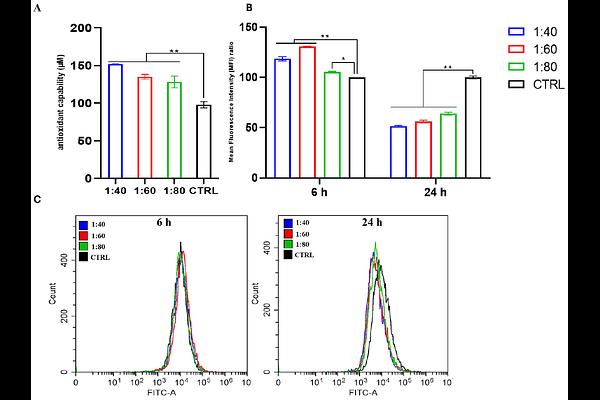
AbstractProteins orchestrate essential cellular processes, including metabolism, communication, survival, and regeneration, making proteomic profiling a powerful strategy to elucidate complex biological responses. Snail slime (SnS) has emerged as a bioactive material with documented pro-healing, antioxidant, and anti-inflammatory properties; however, its effects at the proteome level in normal human dermal fibroblasts (NHDFs) remain unexplored. In this study, an LC-MS-based proteomic approach (Data are available via ProteomeXchange with identifier PXD075292) combined with network and Gene Ontology enrichment analyses was employed to investigate SnS-induced molecular reprogramming in NHDFs, followed by functional assays. Results show that SnS is well tolerated for up to 72 h, confirming its cytocompatibility, followed by proteomic analysis revealing enrichment of biological processes related to apoptosis regulation, oxidative stress response, wound healing, cell migration, and anti-aging. Network analysis identified AKT, PI3K, SRC, and KRAS family members as key hub proteins, indicating convergence on central signaling pathways controlling survival, redox balance, and migratory activity. Functional assays demonstrated a time-dependent, controlled modulation of apoptosis consistent with cellular turnover, alongside a hormetic redox response characterized by transient ROS signaling followed by enhanced antioxidant capacity. Importantly, SnS significantly accelerated fibroblast migration, achieving complete wound closure within 24 h. Collectively, these findings demonstrate that SnS induces coordinated proteomic and functional reprogramming that integrates redox modulation, controlled apoptosis, and enhanced migration, providing a mechanistic basis for its pro-healing and anti-aging effects and supporting its potential as a regenerative biomaterial. Keywords: Snail slime; Proteomics; LC-MS analysis; Wound healing; Apoptosis; Biomaterials