Diet modulates metabolic and hepatic responses to chronic pesticide mixture exposure in mice

Diet modulates metabolic and hepatic responses to chronic pesticide mixture exposure in mice
Rives, C.; Poirier-Jaouen, N.; Martin, C. M. P.; Huillet, M.; Ellero-Simatos, S.; Perrier, P.; Polizzi, A.; Lasserre, F.; Alquier-Bacquie, V.; Guyon, C.; Lippi, Y.; Naylies, C.; Jasmin, E. L.; Dieng, N.-K.; Vuillaume, R.; Orlandi, C.; Gomez, J.; Costes, S.; Arrar, A.; Lucas, A.; Fried, S.; Boutet-Robinet, E.; Guillermet-Guibert, J.; Kesse-Guyot, E.; Guillou, H.; Loiseau, N.; Fougerat, A.; Payrastre, L. G.
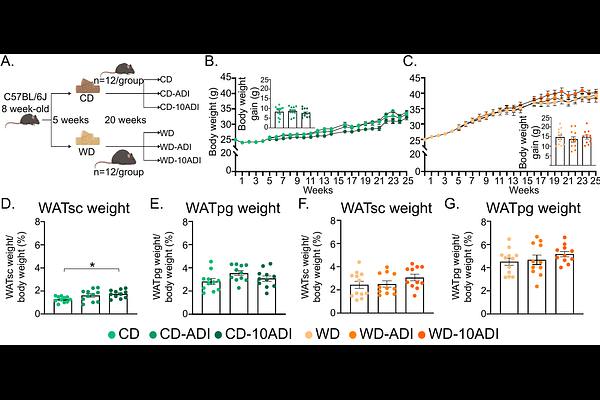
AbstractChronic exposure to pesticide mixtures through diet is common, yet their combined metabolic effects and interactions with dietary factors remain unclear. We identified four pesticides prevalent in human exposure (imazalil, thiabendazole, boscalid, lambda-cyhalothrin) and assessed their combined impacts on hepatic metabolism and metabolic homeostasis using human liver cells and male mice fed standard chow or western diets. We found that the pesticide mixture induced metabolic perturbations in human hepatocytes. In addition, the pesticide mixture altered hepatic gene expression in chow-fed mice and exacerbated western diet-induced glucose intolerance, fasting hyperglycemia, and insulin resistance without affecting body weight or liver steatosis. These findings reveal that dietary context influences the metabolic consequences of pesticide mixtures, highlighting the need to consider nutritional status when evaluating environmental contaminant risks. Our results suggest that pesticide mixtures at reference doses may contribute to metabolic dysregulation, particularly under obesogenic dietary conditions.