Deletion of endothelial KLF4 as a model for preeclampsia

Deletion of endothelial KLF4 as a model for preeclampsia
Meredith, E.; Meredith, A. T.; Mani, A.; Schwartz, M. A.
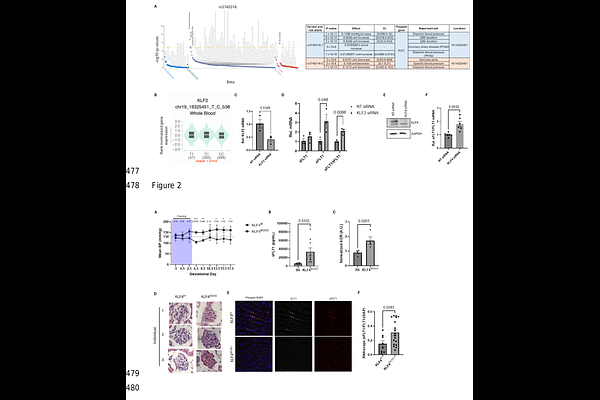
AbstractPreeclampsia (PE), or gestational hypertension, affects around 5% of pregnancies and leads to approximately 70,000 maternal and 500,000 fetal deaths per year worldwide, with increased cardiovascular and metabolic disease in survivors. PE is associated with elevated circulating levels of the alternative splice isoform of VEGF receptor 1 (sFlt1), defects in placental vasculature, kidney damage and, in severe disease, fetal growth restriction. Current mouse models induce PE via direct expression of sFlt1 or elevation of blood pressure, which bypass the natural risk factors for human disease, such as age, obesity, hypertension and diabetes. These risk factors have in common reduced expression of Kruppel-like factors 2 and 4 (KLF2/4), the endothelial transcription factors that protect against cardiovascular disease. We now report that inducible deletion of KLF4 in maternal endothelium (KLF4iECKO) results in gestational hypertension, elevated sFlt1, defective placental vasculature, kidney damage and fetal growth restriction. KLF4iECKO may thus serve as a mouse PE model suitable for mechanistic analysis and screening of treatments that address upstream risk factors.