EMS Mutation and SNP Detection in Intracellular Wolbachia Genomes

EMS Mutation and SNP Detection in Intracellular Wolbachia Genomes
Penunuri, G. A.; Pepper-Tunick, E. A.; McBroome, J.; Corbett-Detig, R.; Russell, S.
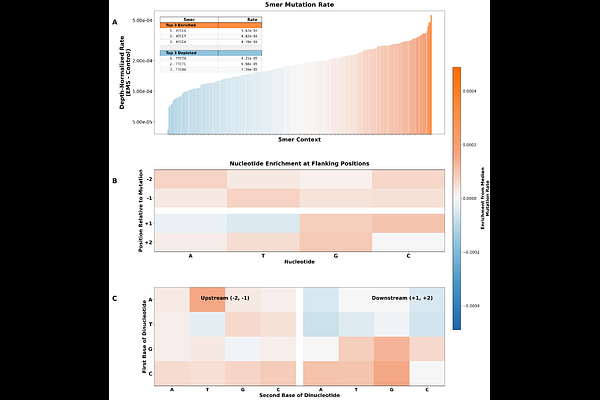
AbstractEndosymbiotic bacteria such as Wolbachia pose significant challenges to genetic and molecular investigation due to their obligate intracellular lifestyle and complex growth requirements. Current understanding of their protein biology relies heavily on functional assignments inferred by homology, which may not reflect the specific roles endosymbiont proteins play within the host. This work addresses the need for robust genetic perturbation by demonstrating the successful application and detection of chemical mutagenesis in the genome of the wMel strain of Wolbachia grown within a stably infected Drosophila melanogaster JW18 cell line. To accurately detect EMS-induced mutations in a large, unsorted cell culture population, in which mutations remain at very low allele frequency, we implemented an ultra-low error rate sequencing strategy, circle sequencing. This technique enables confident detection of EMS-induced single nucleotide polymorphisms (SNPs) that would be swamped by the inherent error rates of standard next-generation sequencing. Circle sequencing library preparations successfully revealed a clear EMS mutation signal in treated cells, characterized by a significant enrichment of canonical C/G>T/A transitions. Furthermore we present a model explaining observed EMS mutation rates across the genome for different sequence contexts. These findings show that EMS-treatment can successfully leave detectable mutation signals in intracellular genomes, and offer promise for the future development of protocols to make targeted edits in Wolbachia genomes.